The Opacity Tax
The most expensive thing in Ghanaian real estate is not the land. It is not knowing what you are buying.
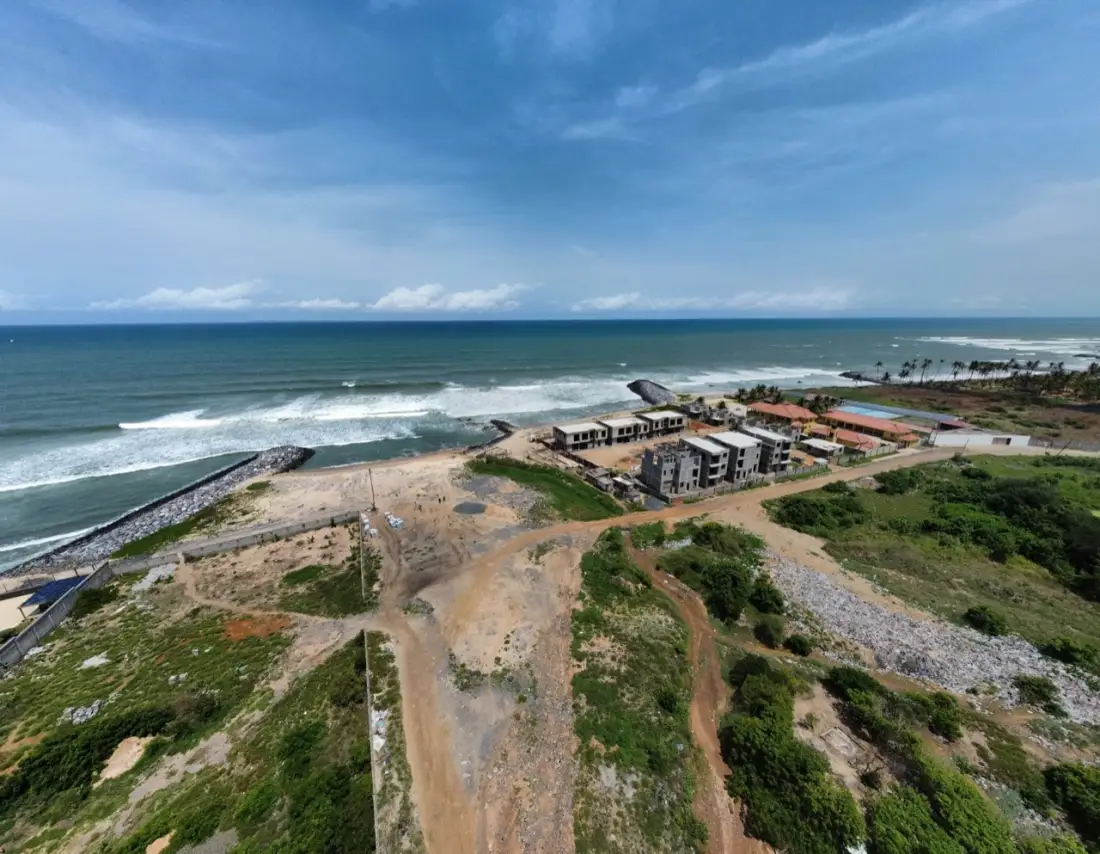
Ask what a plot costs in Accra and you get one number. That number is a composite, and most of what it contains has nothing to do with the land.
We call the second term the opacity tax: everything you pay because the information that would let you decide is not available at the moment you have to decide. It is not a fee anyone charges you. Nobody writes it on an invoice. It is the reason two buyers pay different amounts for the same ground on the same day.
What the tax is actually made of
It is not one thing, which is why it is so easy to miss. It arrives in at least four parts, and they compound.
The information premium
You cannot see what comparable plots nearby actually sold for, so you cannot tell whether the asking price reflects the market or the seller's confidence. In the absence of a reference point, the seller supplies one.
The diligence cost
Searches, a lawyer, a surveyor, the flights, the time off work, the cousin who takes a day to go and look. These are real costs, paid up front, on every plot you consider — including the ones you walk away from.
The hazard you were not shown
A plot in a flood corridor and a plot on dry ground look the same in a photograph, and are often priced the same. The discount you should have received is money you have already paid.
The delay
Twenty-four months on a project described as complete is twenty-four months of rent you are still paying, or capital doing nothing. Time is the component people forget to count.
Then there is the tail: the plot sold twice, the title that does not survive a search, the development that never breaks ground. Rare enough that most buyers never meet it. Expensive enough that it dominates the average.
Why it falls hardest on the diaspora
Every component above gets worse with distance. You cannot drop in on the site. You cannot ask three neighbours what the last plot went for. Your diligence costs a flight rather than an afternoon. And the person you rely on to look for you is doing you a favour, not performing an inspection.
That is the remote tax — the opacity tax with the volume turned up. It is why a family in London can wire a deposit for land they have never stood on and still be the least-informed party in the transaction.
How you shrink it
You cannot legislate opacity away, and you cannot negotiate it away. You can only replace it with evidence, one component at a time.
That is the whole of what we are building. Not a classifieds site with better photographs — a parcel you can check before the money moves: the hazard layers that apply to it, the context around it, and the inputs behind every one of those so you can take the number apart rather than trust it.
What we will not do
It would be easy to put a single cedi figure on the opacity tax and lead with it. It would make a better headline than this one.
We will not, because we cannot stand behind it. A number like that would be an estimate dressed as a measurement, and this entire argument is that estimates dressed as measurements are the problem. The components above are real and you can feel each of them. The total is specific to your plot, and the honest thing is to show you the components for that plot rather than publish an average that flatters us.
For the same reason we do not publish a projected return on a parcel until there are enough comparable sales nearby to support one. An invented number closes deals. It is also exactly how the tax gets levied in the first place.
The market price is the part everybody argues about. The opacity tax is the part nobody mentions, and it is usually the larger of the two.
Check first.